
Dental Bridges – Wayne, PA
Replace One or More
Consecutive Lost Teeth
Tooth loss is a frustrating and common health problem that can lead to a host of oral issues like gum injuries, uneven enamel erosion, dental drift, trouble eating and speaking, and further tooth loss. Fortunately, dental bridges from Main Line Dental Group can be a great way to replace lost teeth with lovely and functional restorations. Here’s a quick look at how dental bridges work from the friendly team at our Wayne office, but please feel free to contact us if you’d like to know more.
Why Choose Main Line Dental Group for Dental Bridges?
- Restore One or Several Teeth in a Row
- Protect Your Oral Health
- Digital Impressions Provide Superior Comfort
What Is a Dental Bridge?
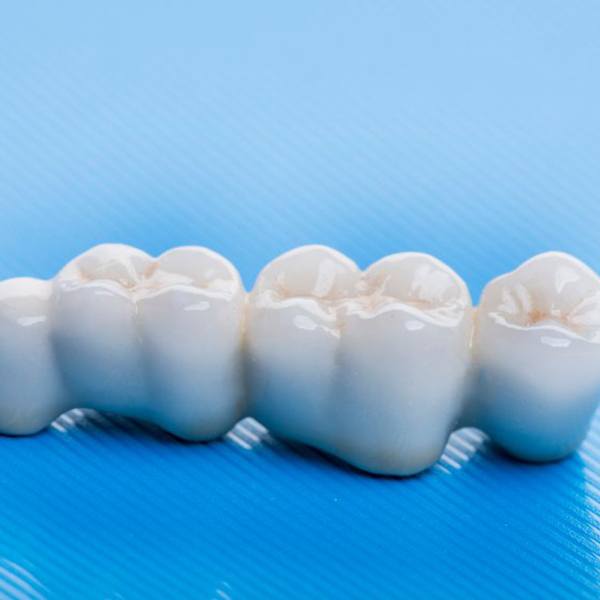
A dental bridge is one or more artificial teeth supported by two dental crowns placed on the healthy teeth at either end of the gap created by tooth loss. In some cases, they are supported instead by two dental implants inserted into the jawbone. A bridge is used to replace one or several lost teeth, and it can be made from metal or ceramic materials. Virtually anyone who has lost teeth but is in otherwise good oral health can receive dental bridges, and we’ll be happy to address oral infections with appropriate restorative treatments if necessary to make you an excellent candidate.
Types of Dental Bridges

The first step to getting a dental bridge is to have a consultation at our Wayne office. After evaluating your oral health and medical history, our dentist may recommend an appliance such as:
Traditional Dental Bridge
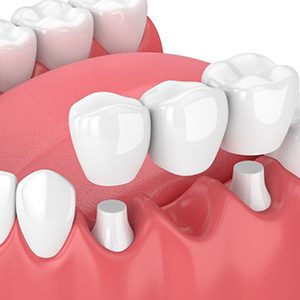
A traditional dental bridge is one or two artificial teeth supported by dental crowns placed on the healthy teeth on either end of the gap created by tooth loss. This creates an affordable and durable restoration that can be placed in several weeks.
Implant Bridge
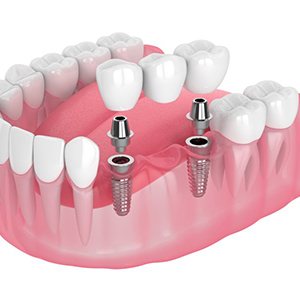
An implant bridge is two or more artificial teeth supported by dental implants surgically inserted into the jawbone through the gum tissue. While the process of placing them takes several months, these devices can deliver superior chewing power and appliance longevity.
The Benefits of Getting a Dental Bridge

A dental bridge can deliver a wide range of important oral and overall health benefits like:
- Restoring the appearance of a smile
- Making it easier to speak clearly
- Restoring your chewing power
- Bracing the remaining teeth to help reduce dental drift
- Protecting the gum tissue from injury
- Improving the patient’s confidence
We’ll be happy to discuss how a dental bridge may be able to help you when we see you at our Wayne office for your consultation.
Dental Bridges FAQs
Can you take a dental bridge out?
Dental bridges are designed to remain fixed upon dental crowns or dental implants for many years after being placed, so it should not be possible for you to remove yours without the help of a qualified oral health provider such as one of the staff members at Main Line Dental Group. While you may have heard the term “removable bridge,” this is a misnomer that some people use to refer to a partial denture, which is designed to be removed for hygiene purposes.
Never try to remove your dental bridge on your own. If you find you are able to do so, please contact our office in Wayne so we can address the problem. This may involve cementing your appliance back in place, reattaching it to your implants, or replacing it if it cannot be saved.
How many teeth can a dental bridge replace?
A dental bridge can replace anything between one and four missing teeth in a row, but longer bridges tend to be less stable. Traditional bridges typically only replace one or two teeth since they are supported by dental crowns placed on healthy teeth, but implant bridges can often replace three or more since they are anchored directly to the jawbone. Implant bridges can also last much longer and function more like real teeth than traditional bridges since they enjoy a sturdier hold.
Can dental bridges be whitened?
Dental bridges are not made of porous materials like natural dental enamel, which means they cannot be affected by the bleaching agents used in teeth whitening treatments. Metal-free bridges are designed to mimic the appearance of real teeth so they are indistinguishable from your natural dental structure, and they should always remain the same color. If you wish to whiten your teeth in addition to getting a bridge, it may be best to whiten your grin first so your appliance can be shaded to match your smile’s gorgeous new hue.
Can dental bridges get cavities?
Since dental bridges are not made of organic dental enamel, they cannot be metabolized or infected by harmful oral bacteria, which means they are immune to cavities. However, the healthy teeth, gum tissue, or jawbone structure supporting them can still be compromised by destructive infections, so you’ll have to consistently practice excellent oral hygiene after receiving your appliance. To keep your bridge in excellent shape, be sure to brush and floss every day, visit our office regularly for exams and cleanings, and limit your intake of sugars and acids.