
Completing Invisalign treatment is an exciting milestone. After months of wearing aligners and watching your smile gradually transform, it’s finally time to enjoy the results. However, there’s one more important step to protect your newly straightened teeth: wearing a retainer.
Many patients are surprised to learn that retainers are an essential part of orthodontic treatment. Without them, teeth can slowly begin to shift back toward their original positions. Understanding how long you’ll need to wear your retainer—and why it matters—can help you preserve your hard-earned results for years to come.
Why Retainers Are Necessary After Invisalign
Even though your teeth may look perfectly aligned when Invisalign treatment ends, the bone and surrounding tissues in your mouth still need time to stabilize. During orthodontic treatment, teeth are gradually moved into new positions. Once the aligners are removed, those teeth can naturally try to shift back if they aren’t held in place.
Retainers help prevent this movement by keeping your teeth stable while the bone and ligaments around them adjust to their new positions. This stabilization process is essential for maintaining your newly straightened smile.
Skipping or inconsistently wearing your retainer can allow teeth to drift over time, which may undo some of the progress achieved during treatment.
How Long You’ll Need to Wear Your Retainer
Most patients are asked to wear their retainer full-time at first, usually for several months after completing Invisalign treatment. Full-time wear generally means keeping the retainer in for about 20 to 22 hours per day, removing it only when eating, drinking, brushing, or flossing.
After this initial period, many patients transition to wearing their retainer only at night. Nighttime wear may continue for several years, and in many cases dentists recommend wearing a retainer indefinitely while sleeping.
While that might sound like a long commitment, nighttime retainer use is a simple habit that helps protect the time and effort invested in achieving your new smile.
Following Your Dentist’s Instructions Matters
Each patient’s orthodontic journey is unique, which means retainer instructions may vary depending on your treatment plan. Some people may need to wear their retainers longer or more frequently than others.
Following your dentist’s instructions carefully is the best way to prevent unwanted shifting. Even skipping the retainer for a few nights in a row can allow teeth to move slightly, which may cause the retainer to feel tight or uncomfortable when you put it back in.
Consistency is key when it comes to maintaining your orthodontic results.
Tips to Protect Your Retainer
Retainers are durable, but they still require proper care. Protecting your retainer helps ensure it continues to fit properly and last as long as possible.
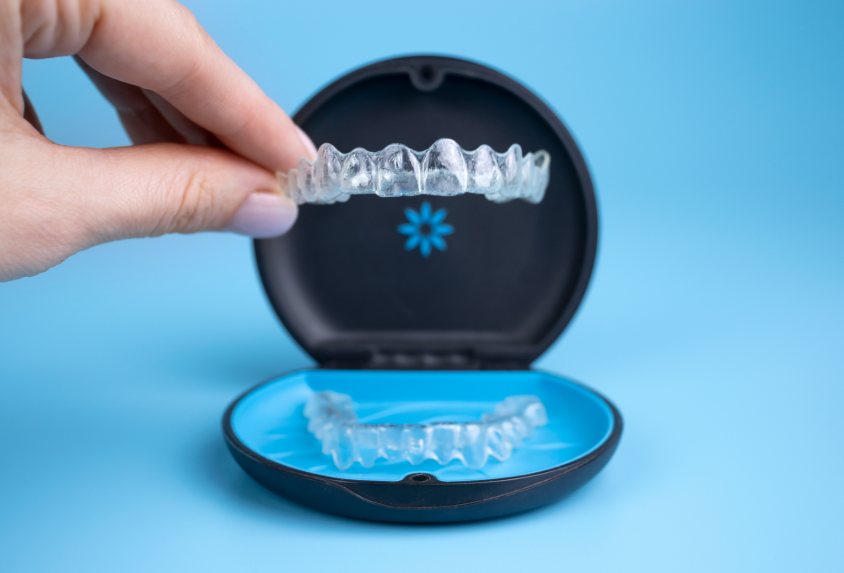
Always store your retainer in its protective case when it’s not in your mouth. Wrapping it in a napkin during meals can lead to accidental loss or damage.
Cleaning your retainer daily is also important. Gently brushing it with a soft toothbrush and rinsing it with cool or lukewarm water helps remove bacteria and plaque. Avoid hot water, which can warp the material and affect the fit.
Keeping your retainer away from pets is another helpful tip, as many animals are attracted to the scent and may chew on it. Wearing and caring for your retainer properly will help protect the smile you worked so hard to achieve.
About the Practice
Main Line Dental provides comprehensive dental care designed to help patients maintain healthy, confident smiles. The practice offers a wide range of orthodontic services, including Invisalign treatment and post-treatment retention care. With a focus on personalized treatment plans and patient education, our experienced dental team helps patients achieve long-lasting results while maintaining excellent oral health.
Call us at (610) 971-0717 or schedule your appointment online.